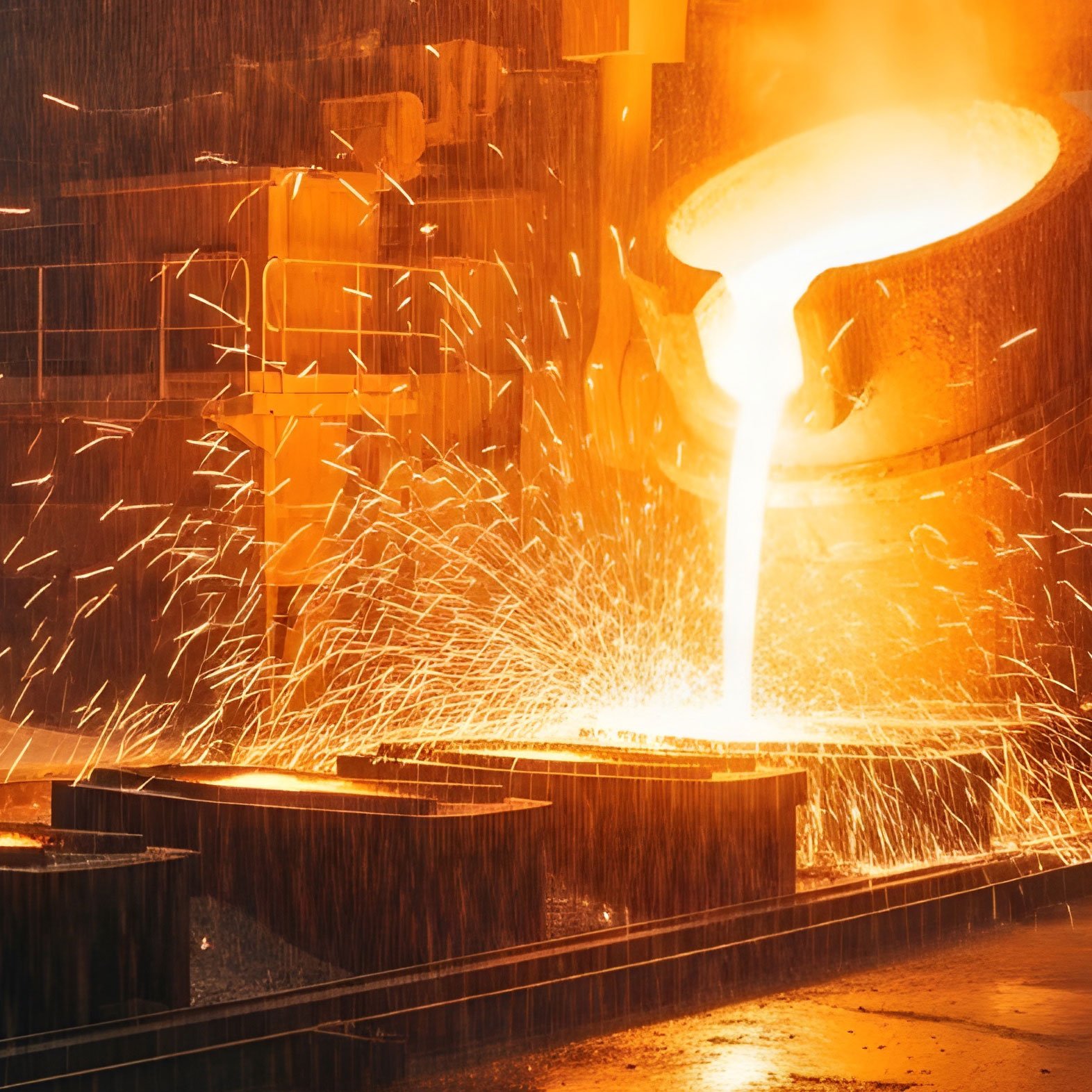
Automation, Dust Collection, and Fume Extraction for Foundries

Platform automation, dust collection, and fume extraction are key to foundry efficiency, reliability and competitiveness - not just a compliance cost.

Modern Foundry Challenges Transformed into Competitive Strengths

Today’s foundries operate under combined operational, financial and regulatory pressure.

OPERATIONAL PRESSURE

Hot, abrasive and sometimes sticky dust and fumes can rapidly accelerate equipment wear, driving up maintenance needs and causing unplanned downtime. Meanwhile, fine airborne dust that settles on moulds or enters the molten metal can lead to inclusions, blowholes and other casting defects, resulting in increased scrap and rework. Furthermore, inconsistent sand reclamation and preparation, particularly in the presence of excess fines and metallic oxides, results in unstable sand properties and metal chemistry, further compromising process stability and casting quality. In addition, manual, high-risk foundry platform tasks (slagging, alloy additions, ladle additives) can introduce variability and safety exposure during the very moments when emissions peak, making automation a direct lever for stability.

FINANCIAL PRESSURE

Rising energy prices and maintenance costs directly increase the total cost of ownership (TCO), especially when poorly optimised systems consume unnecessary energy and drive up operating expenses. At the same time, dust-related casting defects lead to extra fettling, inspection and remelting, while accelerated wear on equipment increases repair and spare-parts costs.

REGULATORY & ENVIRONMENTAL PRESSURE

Tightening statutory emission limits and workplace exposure rules – for example Germany’s TA Luft air-emission standards – require consistently low emissions and efficient removal of acidic gases, harmful pollutants, and dioxins/furans. At the same time, many customers and corporations are pursuing their own clean air and CO2 targets. MikroPul´s foundry platform automation and air pollution control helps foundries turn operational, financial and regulatory pressure into safer, more reliable performance.

OPERATIONAL PERFORMANCE

Automation modules for slag removal and recipe-based dosing reduce manual intervention and variability during peak-emission phases, stabilising conditions for extraction and filtration. Application-specific dust and fume extraction captures emissions at key process steps: melting, pouring, cooling & shakeout, sand handling & reclamation, and fettling & finishing. Controlled process zones around these steps protect workers, reduce dust-driven casting defects, and support consistent sand properties and stable metal chemistry. Robust systems engineered for hot, abrasive foundry environments reduce wear, unplanned downtime, and production interruptions.

FINANCIAL PERFORMANCE

Energy-efficient system design minimises pressure losses and component wear. By shortening open-furnace time during slagging and reducing rework drivers through controlled dosing, automation lowers energy losses and stabilises operating cost. Fewer dust-related casting defects mean less fettling, inspection, and remelting, reducing scrap and rework costs. Overall, this cuts operating and maintenance expense and improves total cost of ownership (TCO).

REGULATORY & ENVIRONMENTAL ASSURANCE

High-efficiency filtration and reliable capture across the foundry line help you meet, or undercut, emission and workplace exposure limits. Documented performance supports authority approvals and reduces compliance risk. Optional process data logging and traceability strengthen audits and continuous improvement, while lower energy use supports CO2 targets.

With MikroPul, Automation and Air Pollution Control become levers for foundry efficiency, reliability and competitiveness—not just a compliance cost.

Today’s foundries operate under combined
operational, financial and regulatory pressure

FROM EMISSION HOTSPOTS TO OPTIMIZED EXTRACTION

Every key process step in the foundry generates emissions that must be controlled. Foundry platform automation reduces variability during peak-emission phases, helping extraction and filtration perform more predictably.

  1. MELTING & HOLDING

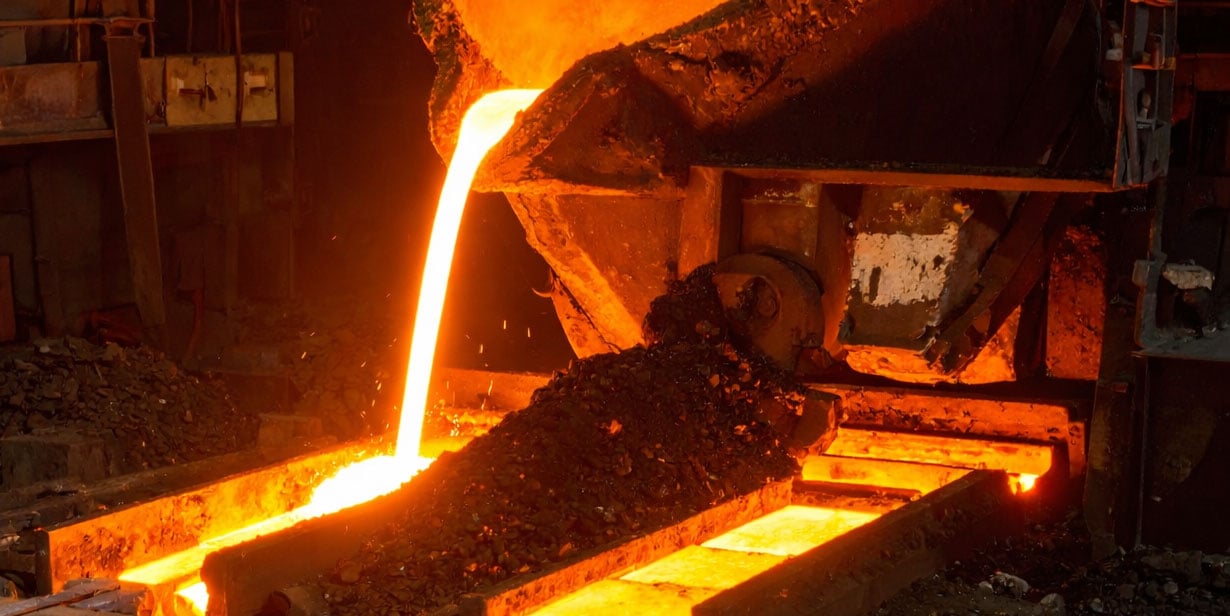
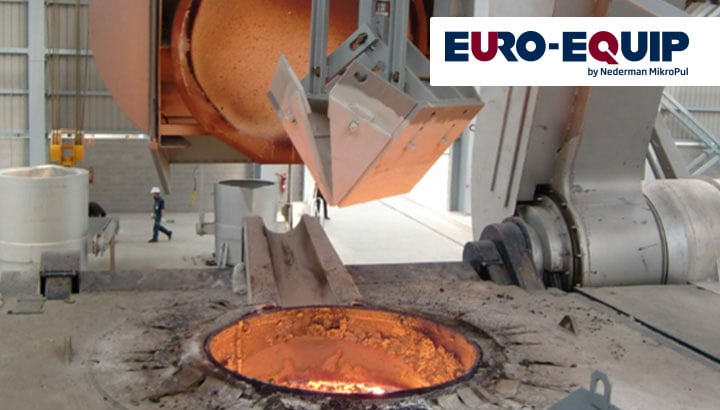
    Charging, melting, deslagging, tapping and holding at cupola, induction, EAF, rotary and channel-type furnaces generate hot, dust-laden and often acidic exhaust gases. Automation of slag removal and metallurgical dosing can shorten open-furnace time and stabilise peak-emission phases.
  2. POURING

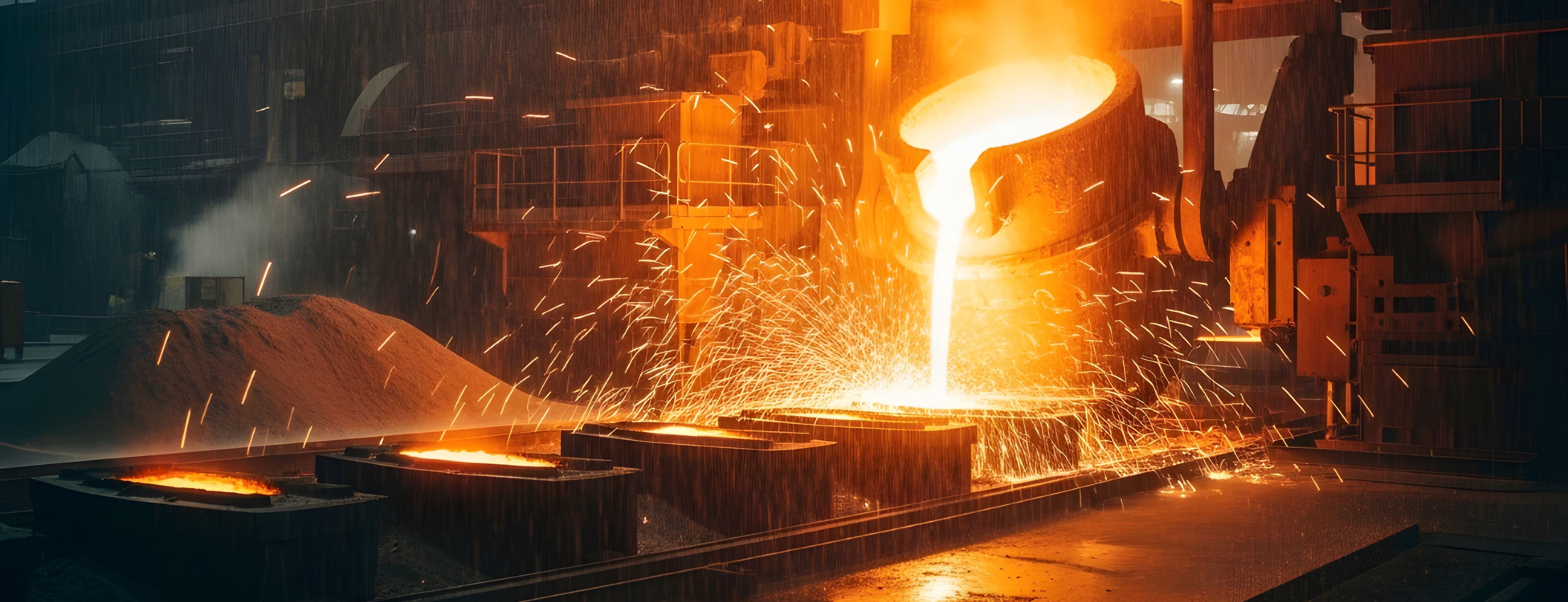
    Ladle treatment and pouring into moulds release fumes and fine particulate around pouring stations and casting lines. Recipe-based ladle additives and traceability can reduce variability and support repeatable operations.
  3. COOLING & SHAKE-OUT

    During cooling on conveyors or in drums and at shake-out grids, moulds break down and release large quantities of dust and sand into the air.
  4. SAND HANDLING & RECLAMATION

    Screens, conveyors, bucket elevators, silos, bunkers, mixers, coolers and thermal reclamation units in both bentonite-bonded and resin-bonded sand loops generate dust, fines and metallic oxides.
  5. FETTLING & FINISHING

    Shot-blast machines, walk-in blasting cabins, fettling booths, manipulators and grinding stations produce high dust loads and direct operator exposure.

MikroPul maps these hotspots in your plant to design a coherent extraction strategy instead of isolated point solutions.

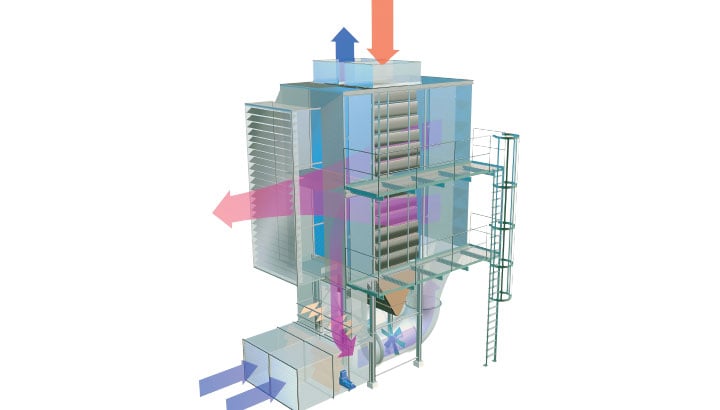
An optimised MikroPul concept follows a clear path – starting with automation where peak emissions and variability occur, then capturing emissions at the source to safe clean-gas and dust discharge. For each foundry, we combine these five building blocks:

  1. AUTOMATION & PROCESS CONTROL

    Automated slag removal and recipe-based dosing reduce manual intervention and variability during peak-emission phases, shortening open-furnace time, improving operator safety, and stabilising conditions for downstream extraction and filtration.
  2. SOURCE CAPTURE

    Custom hoods and enclosures at furnaces, pouring, cooling & shake-out, sand plant equipment, and finishing capture dust and fumes at the point of release. Capture zones and airflow paths are engineered to your layout, crane movements, and maintenance access. With foundry platform automation, capture and airflow can be synchronised with process phases to stabilise performance during emission peaks.
  3. GAS COOLING

    Where hot furnace gases occur, gas-cooling stages bring temperatures into a safe range for filtration and protect filter media and steelwork. Cooling capacity and layout are defined by furnace type, gas temperature, and operating pattern.
  4. FILTRATION

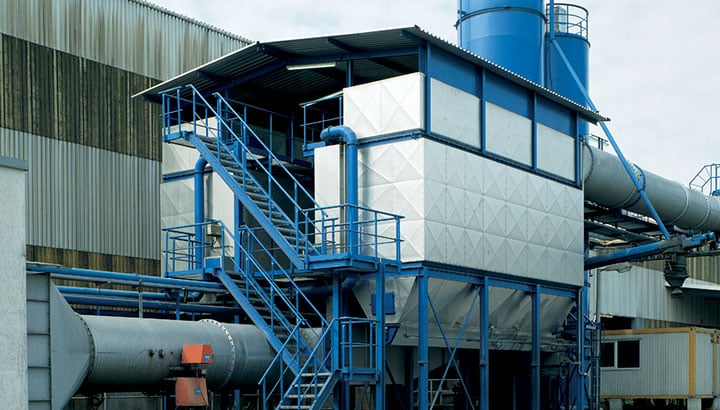
    High-efficiency dust collectors are selected and sized for dust load, temperature and gas chemistry to reliably meet the required emission limits. Filter configuration, cleaning method and media quality are matched to your process.
  5. SAFE DISCHARGE & DUST HANDLING

    Cleaned gas is discharged to the stack in compliance with local regulations, while separated dust is conveyed to bins or silos for safe disposal or recycling. Discharge and handling concepts are designed for reliable operation and ease of service.

Each system is tailored to the specific process, layout and operating conditions of your foundry, including automation and control interfaces where required.


SOLUTIONS FOR YOUR MOST CRITICAL PROCESS STEPS

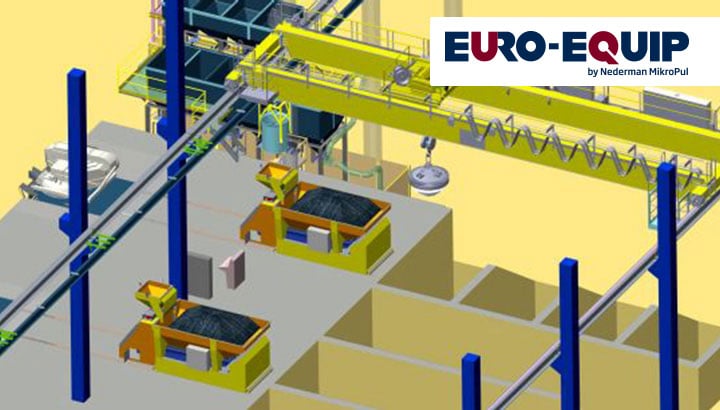
Once emission hotspots and system architecture are defined, MikroPul engineers integrated concepts for each foundry section, combining source capture, gas cooling (where required), filtration, and dust handling. Melt deck automation is incorporated at the furnace level to reduce manual intervention and process variability during the most emission-intensive phases.

TAILORED CONCEPTS FOR EACH FURNACE TYPE

Melting and holding furnaces generate hot, dust-laden and often acidic exhaust gases. These emissions must be captured, cooled where necessary and cleaned so that dust, acidic gases and, if present, dioxins/furans are removed reliably. MikroPul designs complete extraction systems for all common furnace types to protect employees and equipment and to ensure compliance with statutory emission limits.

Where emission loads are highly dynamic, especially at induction furnaces, capture performance depends not only on extraction volume, but on hood aerodynamics and demand-based flow control. That is why MikroPul integrates solutions such as Jet Hood (phase-optimised fume capture) and SEC Smart Exhaust Control (automatic airflow optimisation) into the overall system concept, helping stabilise capture efficiency while reducing unnecessary extracted flow and energy use.

CUPOLA FURNACE (HOT & COLD BLAST)

  • Capture of furnace exhaust gases from above or below the charging opening.
  • Optional integration of oxygen injection systems.
  • Cooling of hot exhaust gases using air-to-air coolers, with online cleaning of the cooling surfaces if required.
  • Downstream high-efficiency dust collection designed for the required emission limit and operating conditions.

Automate peak-emission phases. Control extraction to the moulding line. Keep dust out of the mould cavity, reducing defects, scrap and rework.

INDUCTION FURNACES

Automation

  • Automated slag removal (Octoslag): fully automatic slag cleaning with almost complete elimination of manual work; remote operation from a safe, air-conditioned cabin; faster slag removal with reduced heat loss due to shorter open-furnace time; synchronisation possible with furnace lid opening; simplified extraction ducts and more compact installation.
  • Automated charging and alloy dosing (Automated Alloying Station): precise dosing of scrap and ferro-alloys using charge recipes (fixed or dynamically calculated based on actual charged weight), with automatic or supervised control of crane/charging cars; optional historical data logging for traceability.
  • Automated ladle additives (AAS Ladle Additives): automatic prescription based on metallurgical parameters (e.g., yield and chemical interactions), supporting repeatability and traceability through historical data recording.

Air Pollution Control

  • Phase-optimized jet hood capture across all furnace operating phases
  • Improved capture efficiency through aerodynamic flow distribution
  • Integrated SEC Smart Exhaust Control provides automated, demand-based airflow control (dampers + fan VFD)
  • Lower energy use with stable extraction performance
  • Compact filter systems matched to furnace size, dust load and temperature.

ELECTRIC ARC FURNACES

  • Electric arc furnaces generate high fume peaks and therefore require a combination of primary and secondary extraction stages.
  • Direct extraction of primary furnace exhaust gases via the EAF 4th lid hole cover or furnace hood.
  • Additional capture of secondary emissions through roof extraction in the furnace hall.
  • Cooling of hot exhaust gases in KS/KU air-to-air coolers where required.
  • High-efficiency filtration in FS flat-bag or pulse-jet filters designed for continuous industrial operation.

STORAGE AND CHANNEL-TYPE FURNACES

  • Extraction at the channel and forehearth using lowerable, swiveling hoods for easy access to the channel area.
  • Flow-optimized ductwork to ensure stable transport of hot gases.
  • Filter systems designed for long operating periods with constant loads.

SOLUTIONS FOR POURING & MOLDING LINES

Moulding and pouring lines form the core of casting production and are highly sensitive to airborne dust and fume. Fine particulate matter (silica, coke, sand, graphite, etc.) can settle on mould surfaces or enter molten metal, causing inclusions, pinholes, surface roughness and blowholes; controlled extraction around moulding and pouring helps keep these particles away from the mould cavity and significantly lowers inclusion-related rejection rates. Where recipe-based dosing and ladle additive automation are applied, metallurgical repeatability and traceability can be strengthened, supporting stable operations downstream at the moulding and pouring line.

  • Solutions for flask or flaskless molding and casting lines.
  • Extraction at pouring, cooling sections, cooling drums and shake-out drums.
  • Capture concepts matched to casting rate, mold size and layout.

SAND RECLAMATION AND PREPARATION

In resin-bonded sand reclamation, effective extraction is required at multiple transfer points and in the thermal process itself to maintain consistent sand grain size and composition, remove excess fines (silica dust, binder residues) and thereby improve mold permeability and the dimensional accuracy of castings.

In green-sand preparation plants, numerous handling and processing steps generate dust that must be controlled so that fines and metallic oxides are removed from return sand, stabilizing sand properties, mold strength and permeability and contributing to more stable metal chemistry with fewer sand- or charge- related casting defects.

SAND RECLAMATION FOR RESIN-BONDED SAND

  • Extraction at shake-out grids, silos, sand coolers and separators.
  • Capture and filtration of dust and organic compounds during thermal reclamation.
  • Hall extraction as required, optionally with heat recovery from exhaust air.

Sand preparation with bentonite-bonded sand

  • Extraction at screens, conveyors, bucket elevators and crushers.
  • Dust collection at magnetic separators, silos, used-sand bunkers and sand coolers.
  • Targeted capture at mixers and shake-out grids to maintain sand quality.

FETTLING & FINISHING OPERATIONS

During shot blasting, fettling and grinding, high dust loads and direct operator exposure require robust extraction solutions. Clean air in blasting and fettling areas improves visibility and working conditions, supporting consistent surface quality and reducing manual rework. Reduced dust exposure helps protect personnel and equipment, contributes to compliance with workplace exposure limits and productivity in finishing departments.

  • Extraction for shot-blast plants and walk-in blasting cabins.
  • Dust control for fettling booths, manipulators and grinding machines.
  • Optional general hall extraction concepts to further reduce ambient dust levels in finishing areas.

Total Cost of Ownership — A Smarter Investment Over The Plant Lifetime

  • Capital Expenditures (CapEx)

    Effective source capture and a coherent dedusting concept reduce the need for oversized systems at melting, pouring, shake-out, and sand handling stages. Correctly sized systems and low system pressure drop allow smaller fans, drives and ducts – reducing investment in equipment, steelwork and electrical infrastructure.

  • Operational Expenditures (OpEx)

    Energy Efficiency

    Reverse-air cleaning uses efficient reverse air cleaning instead of compressed air. Together with low-pressure-drop flat bags and optimised airflow, this reduces fan power demand and kWh per filtered m3. Where required, gas-cooling and heat-recovery stages further improve overall energy efficiency of the foundry air system.

  • Maintenance Savings

    Gentle, PLC-controlled off-line cleaning protects the filter media, keeps differential pressure stable and extends bag life – lowering change-out effort and unplanned service.

  • Uptime value

    Systems are designed for hot, abrasive foundry dusts and high dust loads along the entire process. Reliable source capture and stable cleaning performance minimise dust-related interruptions, support consistent casting and sand quality, and help maintain high availability of melting, molding and finishing lines.

Protect Uptime, Optimize Costs, and Secure Compliance

Complete foundry solutions for dust and fume extraction across all your process steps.

Proven technology to secure uptime, minimize operating costs, protect worker´s and achieve compliance.

Backed by MikroPul´s foundry expertise and Nederman´s global clean air network.


Your Next Step?

Let´s schedule an on-site assessment or call to identify your key optimization potentials.


Future-Proofing Your Operation with Lifecycle Support

  1. DESIGN & PLANNING

    Pre-studies, profitability calculations and detailed planning to define the right concept for your foundry.

  2. DELIVER & REALIZE

    Construction, installation and commissioning of complete systems.

  3. SERVICE & REPAIR

    Maintenance, troubleshooting and on-call service to keep equipment running.

  4. DIGITIZE & MONITOR

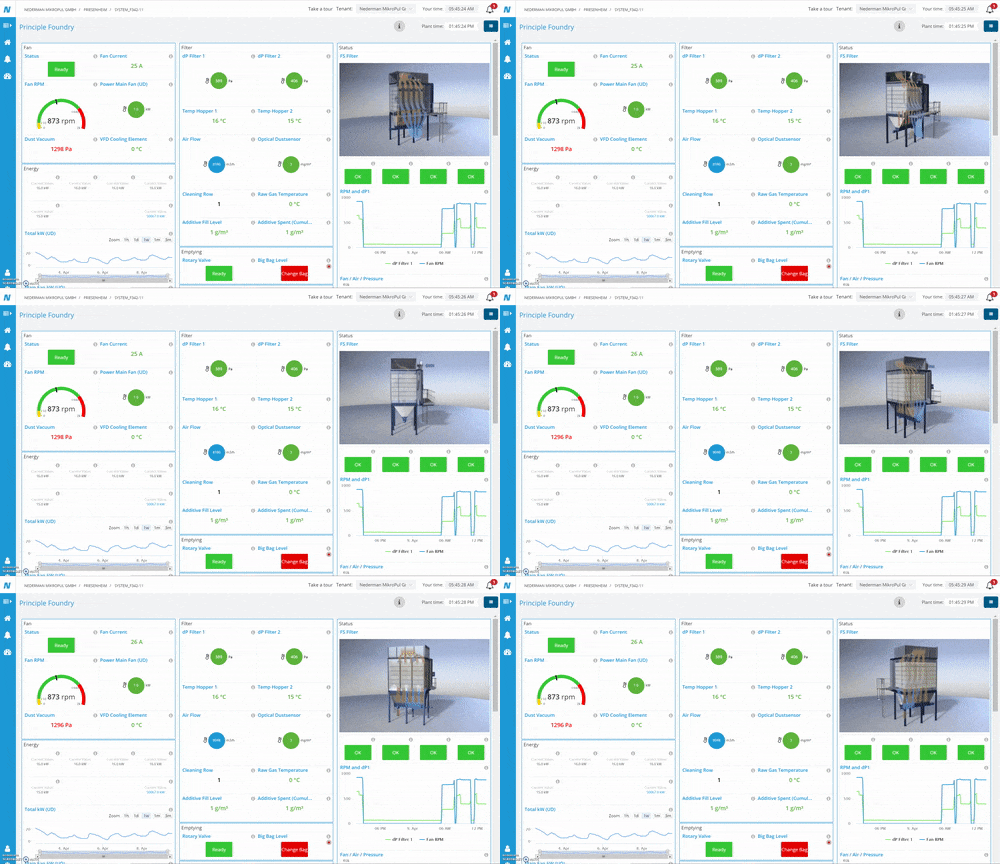
    Continuous monitoring of key parameters, to provide early warnings and prevent unplanned downtime.

  5. OPTIMIZE & UPGRADE

    Performance upgrades, retrofits and extensions as capacity or regulatory requirements change.