One integral fan, engineered not to plug
The fan is Nederman MikroPul's own open paddle-wheel design, chosen specifically so the wetted impeller resists plugging while it brings gas and scrubbing liquid into intimate contact.
Wet Scrubbers
MikroPul's most compact scrubber design. One component moves the gas and scrubs it, so solid and gaseous pollutants are captured in the same wetted fan — around 99% efficiency at 2 micron, with lower installation and energy cost than a conventional scrubber train.
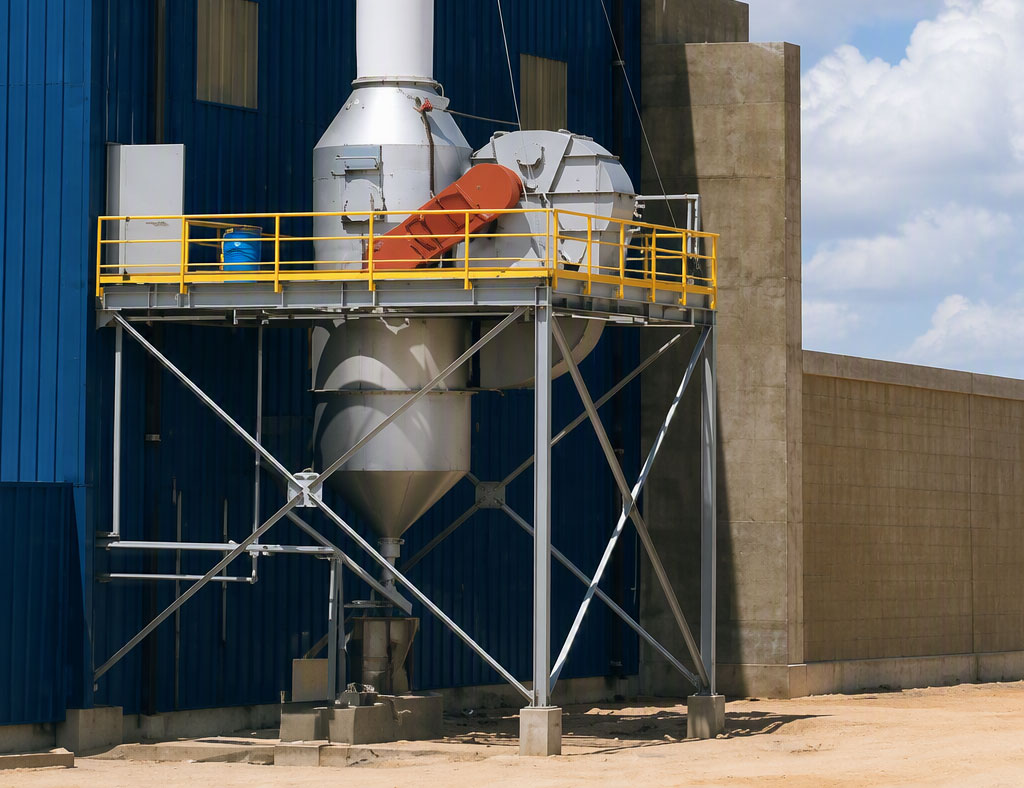
How it works
The scrubber can be used wherever dust, aerosol and gas are present — including dust control on spray drying and incineration plants, and odor control. Here is the path a contaminated gas stream takes through the unit.
Dust, aerosol or gas-laden process air is drawn toward the wetted fan.
Scrubbing liquid meets the gas at the rotating impeller — the point of intimate contact.
Pollutants transfer into the liquid. Multiple scrubbing stages can be applied as duty requires.
Centrifugal action pulls heavy wetted particles out of the gas stream.
Cleaned gas leaves through the top of the separator.

The Dynamic Scrubber is MikroPul's most compact design. Because the fan is integral to the scrubber, it removes the separate ductwork, blower and stack runs a conventional scrubber train needs — so both the space required and the installation cost come down.
Actual results depend on the pollutant, particle size distribution and process conditions — contact us for your specific application.
See it in operation
A short overview of how the integral wetted fan brings gas and scrubbing liquid together in one stage.
Other scrubbers chain together an inlet, a separator, ductwork to the blower, and ductwork from the blower to the stack which is a lot of pieces, all needing space. The Dynamic Scrubber folds the moving-gas stage into the scrubbing stage.
The fan is Nederman MikroPul's own open paddle-wheel design, chosen specifically so the wetted impeller resists plugging while it brings gas and scrubbing liquid into intimate contact.
Benefits
Captures both solid and gaseous pollutants in a single integrated unit
A maximum pressure drop of 1.2 kPa (5 in. w.g.) keeps fan energy demand down.
Stages can be added to match the collection target for a given process.
Various mist eliminator devices can be utilized to suit the outlet requirement.
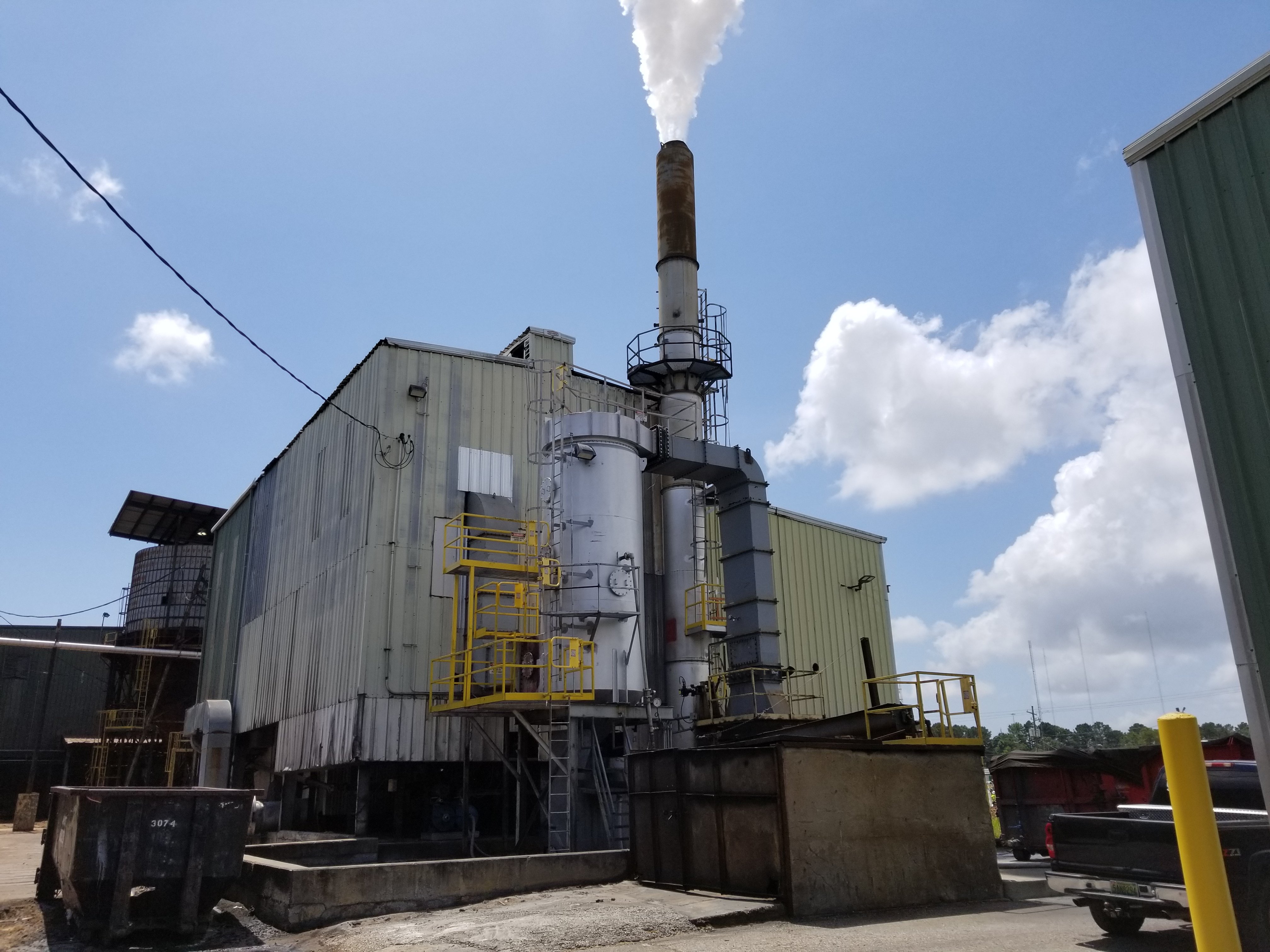
applications
Particularly suited to the metals and chemical industries, with representative duties below.
Common things to know
Answers to common questions about the Dynamic Wet Scrubber
It removes both solid particulate and gaseous pollutants from an industrial gas stream, and can be applied wherever dust, aerosol or gas is present — including odour control and dust control on spray drying and incineration plants.
The Dynamic Scrubber achieves around 99% collection efficiency at approximately 2 micron. Actual performance depends on the pollutant, particle size distribution and process conditions, so we size each unit to the duty.
It operates at roughly 5–6 in. w.g. (a maximum of about 1.2 kPa), yet delivers performance comparable to a conventional scrubber running at 14–16 in. w.g. That, combined with a low liquid-to-gas ratio of 2–3, keeps both energy and water use down.
Units range from 400 to 75,000 acfm. The upper limit is set by the fan, which is MikroPul's own open paddle-wheel design, selected so the wetted impeller resists plugging.
Scrubbing liquid is introduced at the fan itself, so the rotating impeller becomes the point of intimate gas-to-liquid contact. This combines the contact stage and the moving-gas stage into one component, and multiple scrubbing stages or mist eliminator devices can be added.
Typical applications include mining (uranium and non-ferrous ores such as copper and zinc), minerals processing (potash), lime kilns, lime shakers and dissolving tanks, along with broader metals and chemical duties.
Connect with Nederman MikroPul to improve your dust collection.
Last updated: July 2026